As a supplier of rigid cardboard inserts, I've witnessed firsthand the diverse ways these inserts interact with different product surfaces. Rigid cardboard inserts are essential components in product packaging, offering protection, support, and aesthetic appeal. In this blog, I'll delve into the various interactions between rigid cardboard inserts and different product surfaces, exploring the benefits and considerations for each scenario.
Interaction with Smooth Surfaces
Smooth surfaces, such as glass, plastic, or metal, require a gentle touch when it comes to packaging. Rigid cardboard inserts can provide a cushioned layer of protection, preventing scratches and damage during transit. The smooth surface of the insert ensures that it glides easily against the product, minimizing friction and reducing the risk of abrasion.
For example, when packaging glassware, a rigid cardboard insert can be custom-designed to fit the shape of the glass, providing a snug and secure fit. The insert's smooth surface helps to distribute the weight evenly, preventing the glass from shifting or breaking. Additionally, the insert can be lined with a soft material, such as foam or felt, to further protect the glass from scratches.
In the case of plastic products, rigid cardboard inserts can be used to create a barrier between the product and the packaging, preventing the plastic from coming into contact with sharp edges or rough surfaces. This helps to maintain the integrity of the plastic and prevent damage. The smooth surface of the insert also allows for easy insertion and removal of the product, making it convenient for both the manufacturer and the consumer.
Interaction with Textured Surfaces
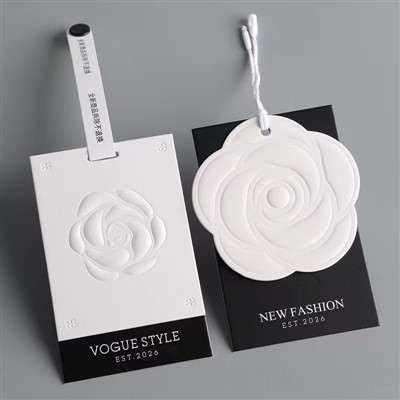
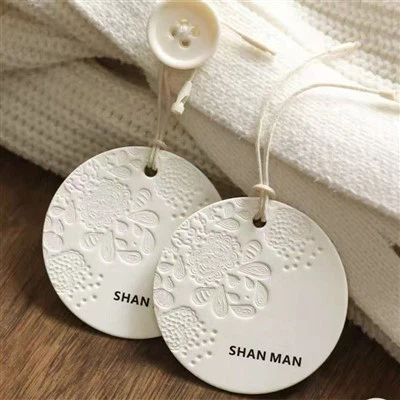
Textured surfaces, such as wood, fabric, or leather, require a different approach when it comes to packaging. Rigid cardboard inserts can be designed to conform to the texture of the product, providing a secure and stable fit. The texture of the insert can also enhance the aesthetic appeal of the packaging, adding a touch of elegance and sophistication.
For example, when packaging wooden products, a rigid cardboard insert can be embossed or printed with a pattern that matches the grain of the wood. This not only provides a secure fit but also adds a decorative element to the packaging. The texture of the insert can also help to prevent the wood from shifting or moving during transit, reducing the risk of damage.
In the case of fabric or leather products, rigid cardboard inserts can be lined with a soft material, such as velvet or suede, to protect the product from scratches and abrasions. The texture of the insert can also provide a tactile experience for the consumer, enhancing the overall perceived value of the product.
Interaction with Fragile Surfaces
Fragile surfaces, such as ceramics, porcelain, or electronics, require extra care and protection when it comes to packaging. Rigid cardboard inserts can be designed to provide a shock-absorbing layer of protection, preventing the product from breaking or cracking during transit. The insert can also be customized to fit the shape of the product, providing a snug and secure fit.
For example, when packaging ceramics or porcelain, a rigid cardboard insert can be designed with compartments or dividers to separate the individual pieces and prevent them from touching each other. The insert can also be lined with a soft material, such as foam or bubble wrap, to absorb any impact and prevent damage.
In the case of electronics, rigid cardboard inserts can be designed to provide a secure and stable platform for the product. The insert can be customized to fit the shape of the electronics, providing a snug and secure fit. The insert can also be lined with a conductive material, such as aluminum foil, to protect the electronics from static electricity.


Interaction with Irregular Surfaces
Irregular surfaces, such as curved or angled products, require a flexible approach when it comes to packaging. Rigid cardboard inserts can be designed to conform to the shape of the product, providing a secure and stable fit. The insert can also be customized to provide additional support and protection for the product.
For example, when packaging a curved product, a rigid cardboard insert can be designed with a curved shape to match the contour of the product. The insert can be made from a flexible material, such as corrugated cardboard, to allow it to bend and conform to the shape of the product. The insert can also be lined with a soft material, such as foam or felt, to provide additional cushioning and protection.
In the case of an angled product, a rigid cardboard insert can be designed with angled compartments or dividers to fit the shape of the product. The insert can be made from a rigid material, such as solid cardboard, to provide a stable and secure platform for the product. The insert can also be lined with a soft material, such as foam or bubble wrap, to absorb any impact and prevent damage.
Considerations for Different Product Surfaces
When designing rigid cardboard inserts for different product surfaces, there are several considerations to keep in mind. These include the size and shape of the product, the weight and fragility of the product, the shipping and handling requirements, and the aesthetic appeal of the packaging.
- Size and Shape: The size and shape of the product will determine the size and shape of the rigid cardboard insert. The insert should be designed to fit the product snugly, providing a secure and stable fit.
- Weight and Fragility: The weight and fragility of the product will determine the thickness and strength of the rigid cardboard insert. The insert should be designed to provide adequate support and protection for the product, preventing it from breaking or cracking during transit.
- Shipping and Handling Requirements: The shipping and handling requirements of the product will determine the type of rigid cardboard insert to use. For example, if the product is being shipped internationally, the insert may need to meet certain customs requirements.
- Aesthetic Appeal: The aesthetic appeal of the packaging is also an important consideration. The rigid cardboard insert can be designed to enhance the overall look and feel of the packaging, adding a touch of elegance and sophistication.
Conclusion
In conclusion, rigid cardboard inserts play a crucial role in product packaging, offering protection, support, and aesthetic appeal. By understanding the different ways that rigid cardboard inserts interact with different product surfaces, manufacturers can choose the right insert for their products, ensuring that they are protected and presented in the best possible way.
If you're interested in learning more about our rigid cardboard inserts or would like to discuss your specific packaging needs, please don't hesitate to contact us. We'd be happy to help you find the perfect solution for your products.
References
- Packaging Machinery Manufacturers Institute. (n.d.). Packaging Materials and Components. Retrieved from https://www.packagingmachinery.org/resources/packaging-materials-and-components
- Smith, J. (2019). The Importance of Packaging Design. Retrieved from https://www.packagingdigest.com/article/importance-packaging-design
- Toy Blister Card. (n.d.). Retrieved from /paper-card/packaging-card/toy-blister-card.html
- Tuck Card. (n.d.). Retrieved from /paper-card/packaging-card/tuck-card.html
- Bottom Cardboard Pad. (n.d.). Retrieved from /paper-card/packaging-card/bottom-cardboard-pad.html