In recent years, the issue of environmental protection has become increasingly prominent, and the use of biodegradable plastics in packaging boxes has emerged as a significant trend. As a packaging box supplier, I have witnessed firsthand the numerous benefits that biodegradable plastics bring to the packaging industry. This blog will explore the advantages of using biodegradable plastics in packaging boxes from various aspects.
Environmental Sustainability
One of the most significant benefits of using biodegradable plastics in packaging boxes is their positive impact on the environment. Traditional plastics, such as polyethylene and polypropylene, can take hundreds of years to decompose, leading to a significant accumulation of plastic waste in landfills and the natural environment. In contrast, biodegradable plastics are designed to break down into natural substances, such as water, carbon dioxide, and biomass, under specific environmental conditions.
Biodegradable plastics are typically made from renewable resources, such as corn starch, sugarcane, and cellulose. These materials are abundant and can be replenished relatively quickly, reducing the reliance on fossil fuels. Additionally, the production of biodegradable plastics generally consumes less energy and generates fewer greenhouse gas emissions compared to traditional plastics.
For example, a study by the University of Georgia found that the production of biodegradable plastics from corn starch emits 30% to 50% less greenhouse gas emissions than the production of traditional plastics from petroleum. By using biodegradable plastics in packaging boxes, we can significantly reduce our carbon footprint and contribute to a more sustainable future.
Reduced Pollution
Another benefit of using biodegradable plastics in packaging boxes is the reduction of pollution. Traditional plastics can persist in the environment for a long time, breaking down into microplastics that can enter the food chain and harm wildlife. Biodegradable plastics, on the other hand, break down more quickly and do not pose the same long - term pollution risks.
When packaging boxes made from biodegradable plastics are discarded, they can be composted along with organic waste. Composting is a natural process that converts organic materials into nutrient - rich soil. By composting biodegradable packaging boxes, we can not only reduce waste but also create a valuable resource for agriculture.
In addition, the use of biodegradable plastics can help to reduce litter. Since these plastics break down more easily, they are less likely to accumulate in the environment and cause visual pollution. This is especially important in areas such as beaches, parks, and waterways, where plastic litter can have a significant impact on the ecosystem.
Regulatory Compliance
In many countries and regions, there are increasingly strict regulations regarding the use of traditional plastics. Governments are implementing measures to reduce plastic waste and promote the use of more sustainable alternatives. By using biodegradable plastics in packaging boxes, we can ensure compliance with these regulations and avoid potential fines and penalties.
For example, the European Union has implemented a directive to reduce single - use plastics, including packaging materials. Many EU member states have introduced bans or restrictions on certain types of plastic packaging. By switching to biodegradable plastics, packaging box suppliers can meet these regulatory requirements and stay ahead of the curve in the market.
Consumer Appeal
Consumers are becoming more environmentally conscious and are increasingly demanding sustainable products. Using biodegradable plastics in packaging boxes can enhance the appeal of our products to consumers. When consumers see that a product is packaged in an environmentally friendly way, they are more likely to choose it over a similar product with traditional plastic packaging.
A survey by Nielsen found that 66% of global consumers are willing to pay more for sustainable products. By offering packaging boxes made from biodegradable plastics, we can attract these environmentally - conscious consumers and gain a competitive edge in the market.
Product Protection
Biodegradable plastics can also provide excellent product protection. They can be engineered to have similar physical properties to traditional plastics, such as strength, flexibility, and barrier properties. This means that packaging boxes made from biodegradable plastics can effectively protect products during storage and transportation.
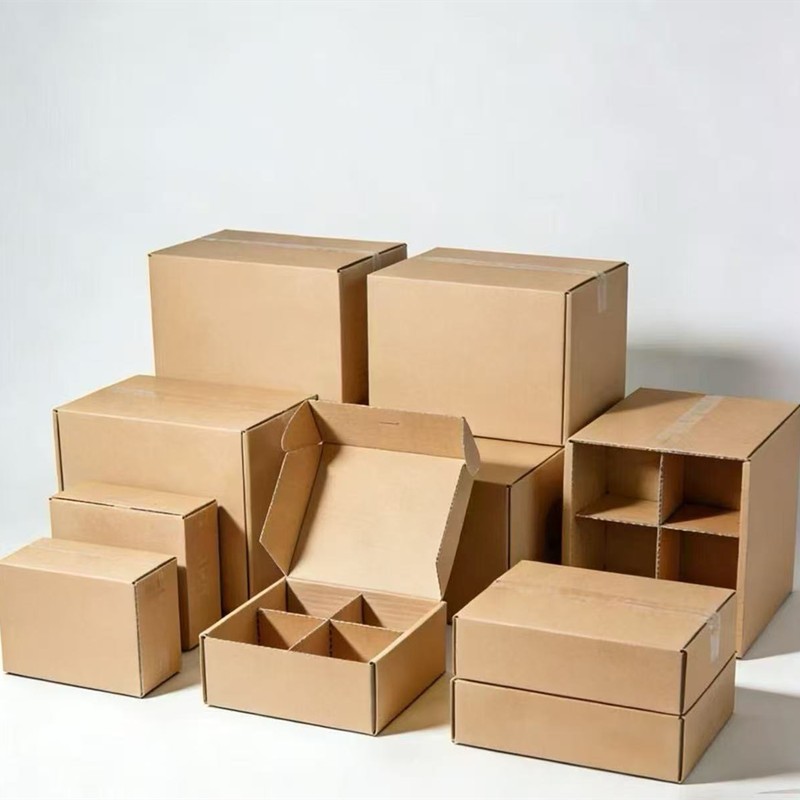
For example, biodegradable plastics can be used to create packaging boxes that are resistant to moisture, oxygen, and other environmental factors. This helps to extend the shelf life of products and maintain their quality. Whether it is a Universal Paper Box, Corrugated Paper Carton, or Cosmetics Color Box, biodegradable plastics can ensure that the products inside are well - protected.
Innovation and Market Opportunities
The use of biodegradable plastics in packaging boxes also presents significant innovation and market opportunities. As the demand for sustainable packaging grows, there is a need for new and improved biodegradable materials and packaging designs. Packaging box suppliers can invest in research and development to create innovative solutions that meet the evolving needs of the market.
For example, some companies are developing biodegradable plastics with enhanced properties, such as increased strength or improved biodegradability. Others are exploring new packaging designs that use less material or are more easily recyclable. By staying at the forefront of innovation, we can differentiate ourselves in the market and attract new customers.
Cost - effectiveness
In the long run, using biodegradable plastics in packaging boxes can be cost - effective. Although the initial cost of biodegradable plastics may be higher than traditional plastics, the savings in waste management and potential regulatory compliance costs can offset the difference.
For example, as more waste management facilities are equipped to handle biodegradable plastics, the cost of disposing of these materials may decrease. Additionally, by meeting regulatory requirements, we can avoid potential fines and penalties, which can save a significant amount of money in the long term.
Conclusion
In conclusion, the use of biodegradable plastics in packaging boxes offers numerous benefits, including environmental sustainability, reduced pollution, regulatory compliance, consumer appeal, product protection, innovation, and cost - effectiveness. As a packaging box supplier, I am committed to promoting the use of biodegradable plastics and providing our customers with high - quality, sustainable packaging solutions.
If you are interested in learning more about our biodegradable packaging boxes or would like to discuss your packaging needs, please feel free to contact us. We look forward to working with you to create a more sustainable future.
References
- University of Georgia study on greenhouse gas emissions of biodegradable plastics
- Nielsen survey on consumer willingness to pay for sustainable products
- European Union directive on single - use plastics