




Heavy-Duty Export Cartons
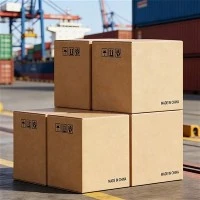
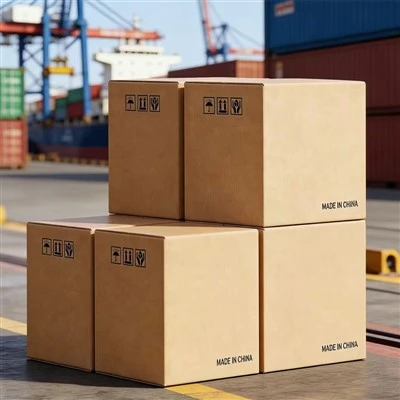
Heavy-duty export cartons are multi-wall corrugated shipping boxes for heavy or bulky products moving through international freight, container shipping, and industrial distribution. Double-wall and triple-wall constructions provide higher compression and puncture resistance than standard single-wall cartons, making them suitable for applications where carton strength, stacking stability, and transit protection are important.
The appropriate board construction depends on cargo weight, carton dimensions, stacking conditions, handling requirements, and transportation environment. For export shipments, the carton specification should be matched to the actual load rather than selected by wall thickness alone.
Quick Selection Guide
|
Key Factor |
Available Options / Considerations |
|
Board Construction |
Double-wall BC or AB; triple-wall construction available |
|
Flute Structure |
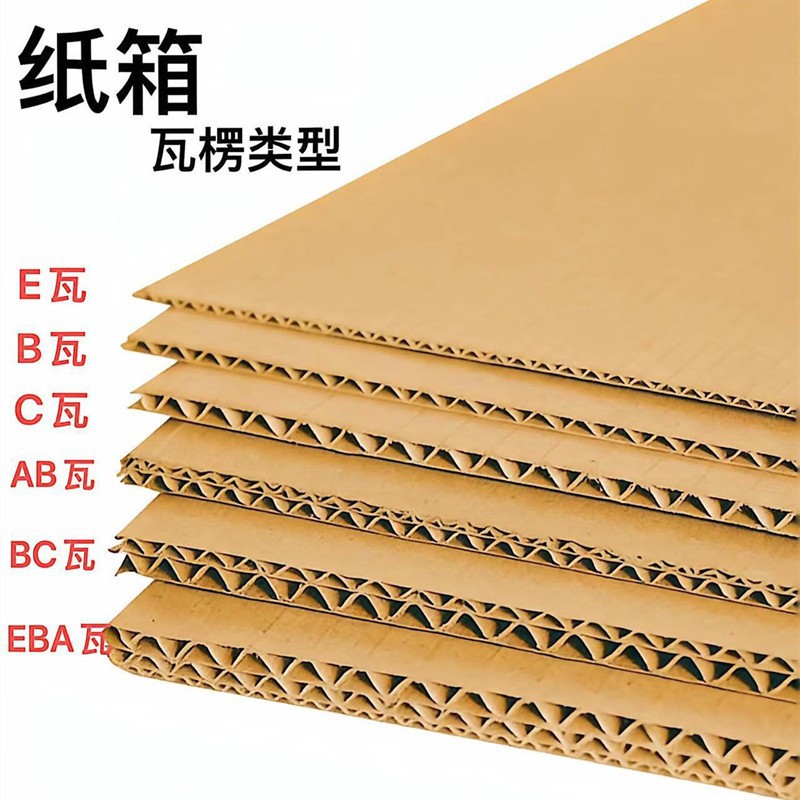
BC, AB and other multi-wall combinations according to required strength |
|
Box Styles |
RSC, FOL, HSC and other structural configurations |
|
Dimensions |
Custom length, width and depth in metric or imperial dimensions |
|
Strength Selection |
ECT and burst-strength specifications selected according to load and handling conditions |
|
Customization |
Printing, slotting, die-cut features, partitions and internal protective components |
Board Construction and Strength
Multi-wall corrugated board combines linerboards with two or more fluted layers. Double-wall construction uses two fluting layers, while triple-wall construction uses three. The additional structural layers can increase resistance to compression, puncture, and handling damage compared with single-wall board.
ECT (Edge Crush Test) is particularly relevant when cartons will be stacked during warehousing or transportation. It measures the edgewise compressive strength of corrugated board and can be used as one factor when selecting a board grade for a specified stacking requirement.
Burst strength measures the pressure required to rupture the corrugated board. It can provide useful information about board resistance to bursting and puncture-related stresses, but it should not be used alone to determine the carton's allowable load.
Key Specifications
|
Specification |
Options / Range |
|
Construction |
Double-wall / triple-wall |
|
Double-Wall Options |
BC or AB flute combinations |
|
Board Grade |
Kraft liner and high-strength fluting; 300–450 g linerboard stated in the supplied specification |
|
ECT |
32 ECT to 50+ ECT, depending on selected board grade |
|
Burst Strength |
200–600+ PSI, depending on board specification |
|
Dimensions |
Custom metric or imperial dimensions |
|
Box Styles |
RSC, FOL, HSC |
|
Material Option |
FSC-certified raw materials available where specified |
|
Recyclability |
Corrugated fiberboard is recyclable, subject to local recycling systems |
The listed strength values are board or specification ranges rather than a universal load rating for every carton. Actual carton performance depends on board construction, dimensions, joint design, contents, pallet configuration, stacking height, and environmental conditions.
Export Packaging Applications
Heavy-duty export cartons can be used for:
Industrial components: Mechanical parts, metal components, machinery accessories, and other heavy items.
Electrical and electronic equipment: Control units, industrial electronics, and equipment components requiring structured transit packaging.
Appliances and equipment: Larger or heavier products requiring increased carton strength for handling and stacking.
Consolidated shipments: Multi-item shipments where carton compression and dimensional stability are important.
Secondary outer packaging: Selected industrial chemical or pharmaceutical packages where the carton is used as outer packaging and the inner container provides the required product containment.
For regulated, hazardous, or temperature-sensitive goods, the carton specification should be evaluated together with the applicable packaging and transport requirements. A heavy-duty corrugated carton should not be assumed to provide chemical containment or dangerous-goods certification unless specifically specified and documented.
Box Styles and Structural Customization
Different carton constructions can be selected according to the product shape and packing method.
Regular Slotted Container (RSC): General-purpose construction with standard flaps for closing and palletized transport.
Full Overlap (FOL): Extended flaps provide additional overlap across the carton top and bottom.
Half Slotted Container (HSC): Open-top construction suitable for applications where a separate cover or closure is used.
Custom die-cut structures: Suitable when the package requires specific folding, openings, hand holes, or internal positioning features.
Custom internal components can include partitions, honeycomb pads, and corner protection, depending on the product geometry and required protection.
Printing and Export Identification
Flexographic printing can be used for product information, handling symbols, barcodes, shipping marks, and other carton graphics. The required print area, number of colors, artwork format, and marking content should be confirmed before production.
For export cartons carrying regulated goods, shipping marks and hazard-related information should follow the requirements applicable to the product, destination, and transport mode.
Quality Inspection
Relevant inspection points can include:
• ECT testing to evaluate the edgewise compression strength of corrugated board.
• Burst testing to measure board resistance to rupture.
• Dimensional inspection to verify carton length, width, depth, slotting, and squareness.
• Visual inspection of board condition, printing, joints, and carton forming.
• Performance testing, where required, to evaluate resistance to handling, stacking, vibration, or drop-related stresses.
The appropriate inspection method should correspond to the buyer's specification and intended shipping conditions. A laboratory board-strength value does not by itself establish the maximum safe weight or stacking height of a finished export carton.
Manufacturing and Packing
The supplied production process includes corrugating and laminating the fluting with linerboards, followed by printing, slotting, die-cutting where required, and carton forming. Depending on the selected construction and joint design, cartons may be closed using adhesive or stitching.
Finished cartons are normally supplied flat to reduce shipping volume. Bundling, strapping, palletization, and protective wrapping can be specified according to the shipment and handling requirements.
FAQ
Q: Are heavy-duty export cartons suitable for sea freight?
A: They can be used for sea-freight packaging when the selected board construction and carton design are appropriate for the cargo weight, stacking conditions, handling requirements, and expected environmental exposure. Humidity can reduce corrugated board strength, so the shipping environment should be considered when selecting the specification.
Q: Should I choose double-wall or triple-wall construction?
A: The choice depends on the cargo weight, carton dimensions, stacking load, handling conditions, and required protection. Heavier or more demanding applications may require a higher-strength construction, but wall count alone does not determine the carton's actual load capacity.
Q: Can the carton dimensions be customized?
A: Yes, the supplied specification allows custom metric or imperial dimensions. The product dimensions, packing arrangement, and required internal protection should be provided when determining the carton size.
Q: Can heavy-duty cartons include internal protection?
A: Yes. Options stated in the supplied specification include partitions, honeycomb pads, and corner protectors. The appropriate configuration depends on the shape, weight, and fragility of the packed product.
Q: What information is needed to select the carton strength?
A: Cargo weight, carton dimensions, pallet configuration, stacking height, transportation mode, and expected handling conditions are the main starting points. Existing ECT or burst-strength requirements can also be provided if they are specified by the buyer or logistics provider.
Hot Tags: heavy-duty export cartons, China heavy-duty export cartons manufacturers, suppliers, factory
You Might Also Like




Send Inquiry