



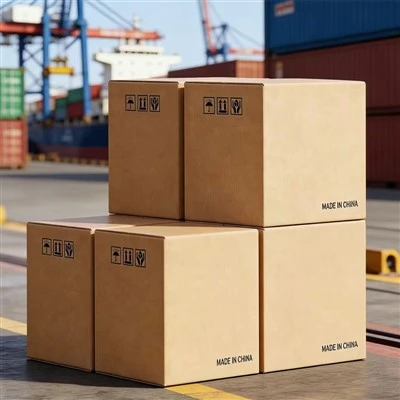
Heavy-Duty Cartons
Heavy-Duty Industrial & Export Cartons
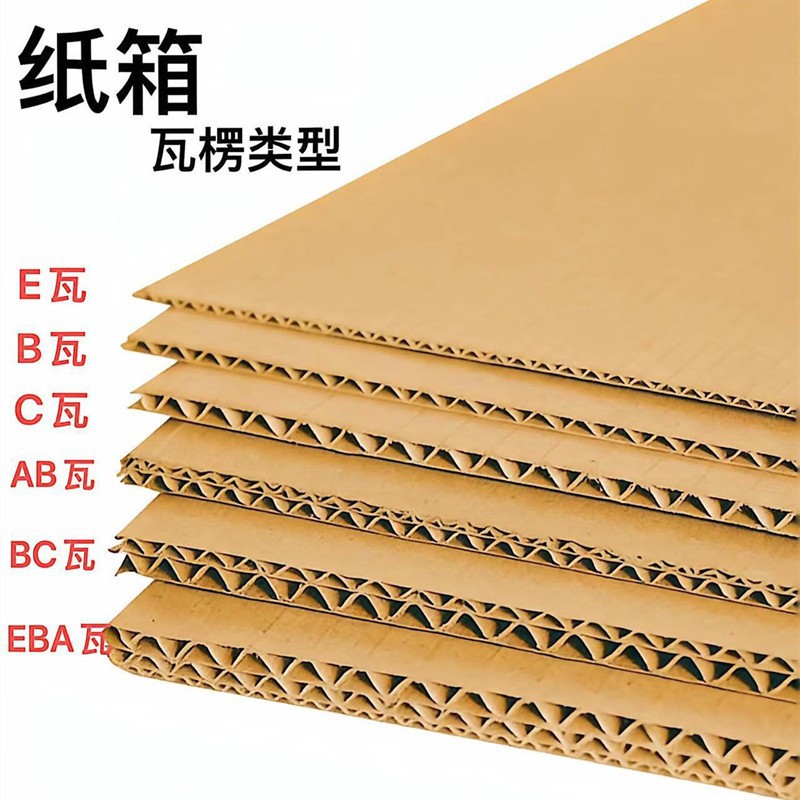
Heavy-duty cartons are multi-wall corrugated boxes for transporting and storing heavy, dense, bulky, or mechanically demanding products. Compared with single-wall cartons, 5-ply double-wall and 7-ply triple-wall constructions provide additional board layers for applications where stacking strength, puncture resistance, and box compression are important.
For B2B purchasing, carton selection should be based on product weight, carton dimensions, stacking conditions, transport environment, and handling method rather than ply count alone. ECT, burst strength, and BCT provide useful strength references, while the final performance depends on the selected paper grades, flute combination, carton geometry, joints, and operating conditions.





Quick Selection Guide
|
Specification |
Typical Option |
|
Construction |
5-ply double-wall or 7-ply triple-wall |
|
Flute Combination |
B+C, A+C, or other specified combinations |
|
Board Thickness |
Approx. 6.5–7.5 mm for 5-ply; 12–15 mm for 7-ply |
|
Strength Parameters |
ECT, burst strength, BCT |
|
Box Structures |
Slotted, die-cut, and customized structures |
|
Main Uses |
Industrial parts, machinery components, hardware, equipment, palletized shipments |
Heavy-Duty Carton Product Range
5-Ply Heavy-Duty Cartons
Double-wall cartons with two flute layers and three liners. They are suitable for industrial parts and other relatively heavy products where increased stacking and puncture resistance are required.
Reinforced Heavy-Duty Cartons
Cartons with additional reinforcement specified for applications involving localized loads, sharp-edged products, repeated handling, or higher joint stress. The reinforcement method should be selected according to the carton structure and application.
Heavy-Duty Industrial Cartons
Used for industrial components, machinery parts, hardware, and other dense products. Board grade, dimensions, internal protection, and box construction can be matched to the product and handling conditions.
Heavy-Duty Export Cartons
Cartons specified for longer-distance transportation and export distribution. Where cartons may encounter high humidity or extended storage, paper grade, adhesive selection, palletization, and moisture resistance should be evaluated as part of the packaging specification.
Large Heavy-Duty Cartons
Large-format cartons for bulky equipment, machinery components, appliances, and oversized products. As carton dimensions increase, compression strength, panel stability, joint construction, pallet compatibility, and internal support become increasingly important.
Heavy-Duty Corrugated Cartons
Corrugated cartons for distribution centers, warehouses, and industrial shipments. The board structure and carton dimensions can be selected according to the required load, stacking conditions, and handling method.
5-Ply and 7-Ply Specifications
|
Parameter |
5-Ply Double-Wall |
7-Ply Triple-Wall |
|
Typical Flute Combination |
B+C or A+C |
Multiple flute combinations according to specification |
|
Approx. Board Thickness |
6.5–7.5 mm |
12–15 mm |
|
ECT Reference Range* |
32–48 lb/in |
55–90+ lb/in |
|
Burst Strength Reference* |
275–350 psi |
500–600+ psi |
|
Typical Applications |
Industrial parts, hardware, palletized shipments |
Heavier machinery components, dense industrial products, high-load packaging |
|
Handling |
Manual or mechanical, depending on size and load |
Mechanical handling may be required for larger or heavier cartons |
*These ranges are based on the supplied product specification. They are not universal values for every carton. Actual values depend on paper grades, flute combination, dimensions, construction, and the agreed technical specification.
How To Select The Required Strength
ECT (Edge Crush Test) measures the edgewise compression strength of corrugated board. It is an important reference for cartons subjected to vertical stacking, but ECT requirements cannot be determined from product weight alone.
Burst Strength (Mullen Test) measures the pressure required to rupture corrugated board. It can be useful when evaluating resistance to puncture and rough handling, but it should not be treated as a direct substitute for ECT or BCT.
BCT (Box Compression Test) measures the compression strength of the completed carton. It reflects the combined influence of board construction, carton dimensions, box geometry, joints, and other structural factors.
For heavy or palletized products, provide the product weight, carton dimensions, stacking height, storage duration, and transport conditions when specifying the carton. These details provide a more reliable basis for selecting board construction and strength requirements.

Heavy-duty cartons can be specified for:
• Automotive components and assemblies
• Electrical and industrial equipment
• Hardware, fittings, and valves
• Metal and machined components
• Machinery components
• Pumps and other dense equipment
• Palletized industrial products
• Domestic and international shipments
For products with sharp edges, concentrated loads, abrasive surfaces, or irregular geometry, the carton should be evaluated together with dividers, cushioning, blocking, or other internal protection where necessary.
Custom Dimensions and Box Construction
Carton dimensions should be established from the packed product and required internal protection. The specification should account for product dimensions, protective materials, dividers, and required clearance.
Depending on the confirmed box design, structural options may include:
• Custom length, width, and height
• Regular slotted carton (RSC) structures
• Full-overlap constructions
• Die-cut structures
• Custom creasing and slotting
• Reinforced hand holes
• Glued or stitched joints
• Pallet-compatible dimensions
For large or heavy cartons, the bottom construction, side-panel strength, joint design, lifting method, and pallet interface should be considered together rather than specified independently.
Printing and Finishing
Heavy-duty cartons can be supplied in plain kraft or with specified printing for product identification and handling. Depending on the confirmed production process, printing may include product information, barcodes, handling symbols, arrows, or other required graphics.
For printed cartons, provide the artwork, required colors, printing positions, and mandatory markings. Printing specifications should be confirmed together with the final carton construction.
Inspection requirements should correspond to the agreed carton specification. Depending on the project, relevant checks may include:
• Board thickness and grammage
• Ply and flute construction
• ECT or other specified board-strength requirements
• Burst strength where required
• Carton dimensions
• Creasing, slotting, and folding accuracy
• Joint integrity
• Printing conformity
• Overall appearance and packing condition
Testing should be defined according to the application and purchasing specification rather than assuming that every heavy-duty carton requires the same test package.

For an accurate quotation, provide the following information where available:
• Product dimensions and weight
• Required internal carton dimensions
• Quantity of products per carton
• Required stacking height and pallet configuration
• Transport method and storage conditions
• Preferred 5-ply or 7-ply construction
• Target ECT, burst strength, or BCT
• Required box style and joint construction
• Printing artwork and marking requirements
• Estimated order quantity or annual demand
An existing carton sample, technical drawing, packaging specification, or product photograph can also help determine the required carton structure.
Frequently Asked Questions

Request a Heavy-Duty Carton Quote
Send the product dimensions, product weight, required carton size, stacking conditions, transport method, quantity, and printing requirements. If available, include an existing sample, drawing, or packaging specification to help define the appropriate carton construction.