


Display Boxes
Wholesale Custom Display Boxes: B2B Sourcing & Engineering Specification Guide
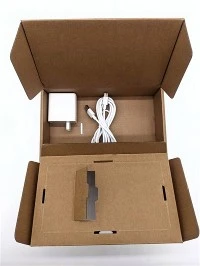
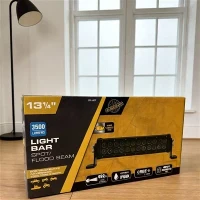
Display boxes are corrugated or paperboard packaging structures used to present products directly in retail, shelf, counter, floor, and promotional environments. Unlike transport-only cartons, they combine product support, retail presentation, and convenient merchandising in one package. Depending on the structure, products can be displayed after removing a perforated section, opening a front panel, or assembling a dedicated display unit.
For B2B buyers, selection should focus on display position, product weight, display dimensions, board structure, product quantity, assembly method, and printing requirements. Floor displays require greater structural support than counter displays, while shelf-ready formats must balance easy opening with sufficient strength during transport.


Quick Specification Guide
|
Selection Item |
Typical Options |
|
Display Format |
Floor, counter, shelf-ready, POP, promotional |
|
Board Structure |
Paperboard, E-flute, B-flute, C-flute, double-wall corrugated board |
|
Construction |
Tray, tiered display, tear-away, open-front, custom die-cut |
|
Printing |
Flexographic, offset-laminated, digital, subject to project specification |
|
Delivery Format |
Flat-packed or other agreed configuration |
|
Main Applications |
Retail shelves, checkout counters, end-caps, promotional areas, exhibitions |
Display Box Product Range
Floor Display Boxes
Free-standing corrugated display units for floor placement, promotional areas, and retail aisles. Structural requirements depend on the total product weight, number of tiers, display height, and product distribution.
Counter Display Boxes
Compact displays for checkout counters, service counters, and other limited-footprint locations. They are generally used for smaller products and should be designed around the available counter space and product arrangement.
Retail Display Boxes
Shelf-oriented display packaging for retail environments. Depending on the product and retailer requirements, the structure may combine transport protection with a shelf-ready opening or presentation format.
POP Display Boxes
Point-of-purchase displays for promotional campaigns, product launches, and temporary merchandising. Structural features can include headers, tiered shelves, die-cut graphics, and product-specific compartments where required.
Shelf Display Boxes
Low-profile display structures designed to keep products visible and accessible as stock is consumed. Front-panel height, product orientation, shelf dimensions, and replenishment method should be considered during structural design.
Promotional Display Boxes
Short-run or campaign-specific displays for seasonal promotions, gift sets, product launches, and other merchandising programs. The structure and finishing should be selected according to the campaign duration, product weight, and presentation requirements.
Selecting the Display Structure
The display position determines much of the required construction.
|
Display Type |
Typical Board / Structure |
Main Selection Considerations |
|
Floor Display |
B-flute, C-flute, or double-wall corrugated board |
Overall height, product weight, tier loading, stability |
|
Counter Display |
E-flute, F-flute, or paperboard |
Footprint, product weight, visibility, counter space |
|
Shelf Display |
Paperboard, E-flute, or other suitable board |
Shelf dimensions, front visibility, replenishment |
|
POP Display |
Corrugated or laminated board structures |
Campaign duration, graphics, product arrangement |
|
Promotional Display |
Project-specific |
Product presentation, assembly, graphics, quantity |
These are structural reference categories rather than fixed load ratings. The actual board grade and construction should be selected from the product weight, dimensions, number of units, stacking arrangement, and distribution conditions.
Structural Design Considerations
Floor Displays
Large floor units may require a reinforced base, vertical support panels, shelves, or internal structural components. The total load should be distributed through the display structure rather than concentrated on a single panel or joint.
Counter Displays
Compact displays should maintain stability within a limited footprint. Product placement, display height, front-panel design, and center of gravity should be considered when the display is frequently accessed by consumers.
Shelf-Ready Displays
Perforated or tear-away sections allow transport packaging to be converted into a retail display. The perforation must balance easy opening with sufficient resistance to premature tearing during handling and transportation.
Tiered Displays
Multiple product levels can improve visibility, but each additional tier affects the load distribution and structural requirements. The total product weight and expected replenishment method should therefore be included in the design specification.
Board and Material Selection
The appropriate board depends on the display format and product requirements.
F-flute: Thin corrugated construction for applications requiring a compact profile and defined folding.
E-flute: Thin corrugated board offering a relatively smooth printing surface and suitable structural rigidity for many counter and shelf displays.
B-flute: Thicker corrugated construction commonly considered when greater cushioning or structural thickness is required.
C-flute: Suitable for applications where additional board thickness and cushioning are required.
Double-wall corrugated board: Used when the display requires greater structural thickness or load-bearing capability.
Paperboard and corrugated board should not be selected by GSM or flute alone. The final specification should account for product weight, display dimensions, loading arrangement, handling, and required retail life.
Display boxes often require more detailed graphics than transport cartons because the packaging remains visible during retail presentation. The printing method should be selected according to artwork requirements, quantity, surface specification, and budget.
Flexographic Printing
Suitable for direct printing on corrugated board where text, line graphics, symbols, and simpler multi-color artwork are required.
Offset-Laminated Printing
A printed paper sheet can be laminated to corrugated board when higher-resolution graphics or a smoother printed surface is required.
Digital Printing
Useful for prototypes, multiple artwork versions, variable graphics, or lower-volume projects where printing plates are not preferred.
Depending on the confirmed specification, additional finishes may include aqueous coating, varnish, foil effects, or other decorative treatments. Any coating or lamination should be evaluated against the required appearance, handling conditions, and recycling requirements.

Display boxes can be specified for:
Grocery and FMCG products
Cosmetics and personal care
Consumer electronics and accessories
Toys and small consumer goods
Seasonal and holiday promotions
Product launches
Promotional campaigns
Checkout and counter merchandising
Shelf-ready retail programs
For fragile or heavy products, the display should be combined with suitable inserts, dividers, cushioning, or internal supports where required.

Display boxes may be supplied flat to reduce storage and transportation volume before assembly. The appropriate delivery format depends on the box structure, assembly method, shipping requirements, and buyer's packing operation.
Possible structural features include:
• Locking tabs
• Tuck-top closures
• Auto-bottom structures
• Tear-away perforations
• Folded or glued side seams
• Internal shelves or dividers
• Custom die-cut components
For international shipments, buyers should specify pallet dimensions, stacking requirements, and delivery configuration when these factors affect freight planning or warehouse handling.
Quality and Inspection
Inspection should be based on the approved product specification and structural drawing. Depending on the project, relevant checks may include:
• Board thickness and grammage
• Flute or paperboard construction
• Overall dimensions
• Die-cut and crease accuracy
• Perforation position and opening performance
• Folding and assembly
• Joint integrity
• Printing position and artwork conformity
• ECT, burst strength, or compression testing where specified
• Finished appearance and packing condition
For floor or multi-tier displays, structural testing may be appropriate when the buyer has a defined product load or retail handling requirement. Test conditions should be agreed before production.
For an accurate structural quotation, provide:
• Display type: Floor, counter, shelf, POP, or promotional
• Product dimensions and unit weight
• Number of products per display
• Total product load per display
• Display dimensions or available retail space
• Preferred board or material specification, if known
• Required shelves, dividers, tear-away sections, or other structural features
• Printing artwork, colors, and finishing requirements
• Assembly and packing method
• Order quantity, delivery destination, and shipping requirements
An existing display sample, dieline, CAD drawing, product photograph, or retail specification can help define the required structure.

Frequently Asked Questions

Request a Display Box Quote
Provide the display format, product dimensions, unit weight, total product load, display size, quantity, board preference, and printing requirements. If available, include a product sample, photograph, existing dieline, CAD drawing, or retailer packaging specification to support structural development and quotation.