


Mailer Boxes
Wholesale Corrugated Mailer Boxes: Structural Engineering & Bulk Sourcing Specifications
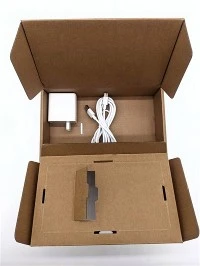
Corrugated mailer boxes are folding, self-locking packaging boxes used for parcel shipping, e-commerce fulfillment, subscription products, and direct-to-consumer orders. Their integrated flaps and locking tabs can reduce the need for separate closure materials, while the corrugated structure provides protection against compression and handling during distribution.
For B2B purchasing, the key selection factors are internal dimensions, product weight, flute type, box structure, printing requirements, and shipping conditions. E-flute can provide a thinner profile and smoother print surface, while B-flute provides greater board thickness and cushioning. The final construction should be selected according to the product, packaging method, and required transport performance.


Quick Specification Guide
|
Specification |
Typical Options |
|
Box Structure |
Self-locking, die-cut, folding mailer |
|
Corrugated Flute |
E-flute, B-flute, E+B and other specified constructions |
|
Box Format |
Custom internal and external dimensions |
|
Closure |
Integrated locking tabs and flaps |
|
Printing |
Flexographic, offset-laminated, or digital, subject to production specification |
|
Typical Uses |
E-commerce, parcel shipping, subscription boxes, retail products, accessories |
Mailer Box Product Range
Corrugated Mailer Boxes
Corrugated mailer boxes for parcel distribution and product packaging. Board construction can be selected according to product weight, dimensions, cushioning requirements, and shipping conditions.
Custom Mailer Boxes
Mailer boxes specified to match the required internal dimensions, box structure, printing, and product configuration. Accurate sizing can reduce unnecessary void space and help optimize package volume.
Self-Locking Mailer Boxes
Mailer structures with integrated locking tabs and flaps. They are suitable where a folding closure is preferred over separate tape or other closure materials.
Die-Cut Mailer Boxes
Die-cut structures produced according to a defined carton layout. Custom cutting and creasing can accommodate specific folding patterns, locking features, inserts, or other structural requirements.
Printed Mailer Boxes
Mailer boxes with graphics, product information, barcodes, or other specified artwork. The appropriate printing method depends on volume, artwork complexity, color requirements, and surface specification.
E-Commerce Mailer Boxes
Mailer boxes for parcel-based fulfillment and direct shipping. Dimensions, board grade, closure structure, and internal protection should be selected according to the product and distribution environment.
Corrugated Structure and Flute Selection
|
Flute |
Approx. Thickness* |
Typical Consideration |
|
E-Flute |
Approx. 1.6 mm |
Thin profile, smooth printing surface, lightweight products |
|
B-Flute |
Approx. 3.0 mm |
Greater cushioning and stacking strength for general parcel packaging |
|
E+B / Other Multi-Flute |
Project-specific |
Used when a combination of surface quality, thickness, and structural performance is required |
*Approximate values are industry reference values and can vary with the actual board specification.
The flute should not be selected from product weight alone. Box dimensions, product shape, internal protection, stacking, and shipping conditions also affect the required construction.
Size and Product Fit
Specify internal dimensions (L × W × H) when the objective is to achieve a defined product fit. External dimensions are also important when calculating pallet utilization, storage space, and parcel shipping volume.
The required clearance depends on the product and any internal protective materials. Products packed with foam, molded pulp, paper cushioning, dividers, or other inserts require sufficient space for the complete packaging configuration.
For parcel shipping, box dimensions can also affect dimensional or volumetric weight. Avoid specifying a larger carton than necessary when shipping cost is sensitive to package volume.

Mailer box construction can be specified around the way the package will be assembled and handled. Depending on the required design, options may include:
• Integrated locking tabs
• Dust flaps
• Die-cut folding structures
• Custom creasing and scoring
• Internal dividers or inserts
• Product-specific compartments
• Hand holes or other handling features where appropriate
• Custom dimensions and panel layouts
For automated or high-volume packing, the folding sequence, blank dimensions, crease positions, and closure structure should be evaluated together with the packing equipment.
Printing and Finishing
Printing requirements should be defined according to the intended appearance, order volume, artwork complexity, and required information.
Flexographic Printing
Suitable for cartons requiring direct corrugated-board printing, particularly where artwork consists mainly of text, line graphics, symbols, or limited-color graphics.
Offset-Laminated Printing
A printed paper sheet can be laminated to the corrugated board when higher-resolution graphics or a more detailed printed surface is required.
Digital Printing
Digital printing can be considered for variable graphics, multiple SKUs, prototypes, or projects where printing plates are not preferred.
Potential finishing options include aqueous coating, varnish, or other surface treatments where compatible with the board and intended recycling requirements. Any film lamination should be evaluated against the buyer's sustainability and recycling requirements.
Corrugated mailer boxes are commonly specified for:
• E-commerce fulfillment
• Direct-to-consumer shipments
• Subscription boxes
• Apparel and soft goods
• Cosmetics and personal-care products
• Electronics and accessories
• Small consumer products
• Retail product shipping
Products that are fragile, heavy, liquid-filled, or sensitive to impact may require additional internal protection rather than relying on the mailer box alone.

Quality and Inspection
Quality requirements should be established against the agreed packaging specification. Relevant checks may include:
• Board thickness and grammage
• Flute construction
• Carton dimensions
• Die-cutting and creasing accuracy
• Folding and locking performance
• Joint and structural integrity
• Printing position and artwork conformity
• ECT, burst strength, or BCT where specified
• Water absorption testing where moisture performance is required
Drop testing or other transport simulation should be specified when the buyer requires validation against a defined distribution profile. Testing requirements should not be assumed to be identical for every mailer box.
Flat Packing and Shipment
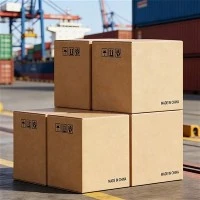
Mailer boxes are normally supplied flat to reduce storage and transportation volume before assembly. The finished blanks should be bundled and protected against moisture, contamination, deformation, and edge damage during transportation.
For palletized shipments, buyers should specify any requirements for pallet dimensions, stacking height, wrapping, strapping, or other unitization methods.
For an accurate quotation and structural recommendation, provide:
• Product dimensions and weight
• Required internal box dimensions
• Number of products per box
• Required flute or board specification, if known
• Product protection requirements, including inserts or cushioning
• Box structure or reference sample, if available
• Printing method, colors, and artwork
• Estimated order quantity or annual demand
• Shipping method and destination
• Any stacking, drop, moisture, or packaging-equipment requirements
A product drawing, existing mailer sample, packaging dieline, or product photograph can help define the required structure.
Frequently Asked Questions

Request a Mailer Box Quote
Provide the product dimensions, product weight, required internal box size, flute or board preference, quantity, printing requirements, and shipping conditions. If available, include an existing sample, drawing, dieline, or product photograph to support structural specification and quotation.